

Turning your favorite photo into a stunning canvas print is easier than you think. No expensive camera required — your smartphone can capture gallery-worthy shots when you follow a few simple principles. This guide covers everything you need: choosing the right subject, mastering composition, and using natural light to create prints that truly stand out on your wall.
1. Pick a photo with one clear focal point
The best canvas prints feature an obvious subject that draws the eye instantly — a person, a pet, an architectural detail, or a serene landscape with a single point of interest. Busy backgrounds and competing elements dilute the impact and make the final print look chaotic.
Less is more: the cleaner and simpler your composition, the more powerful your canvas print will be.
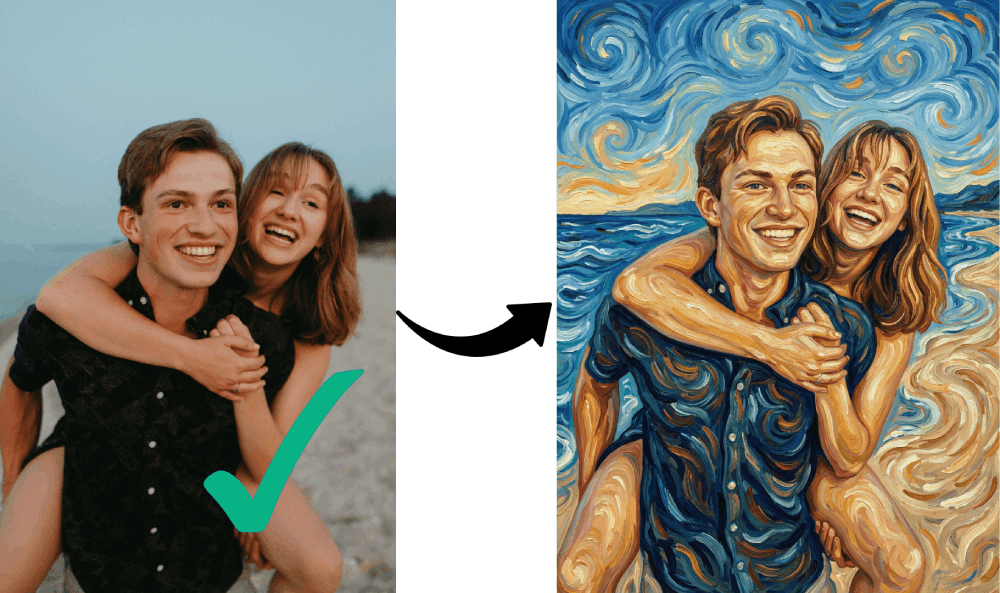 Strong focal point – ideal for a striking canvas print
- Backgrounds crowded with random objects
- Too many small details fighting for attention
- Multiple subjects with no clear hierarchy


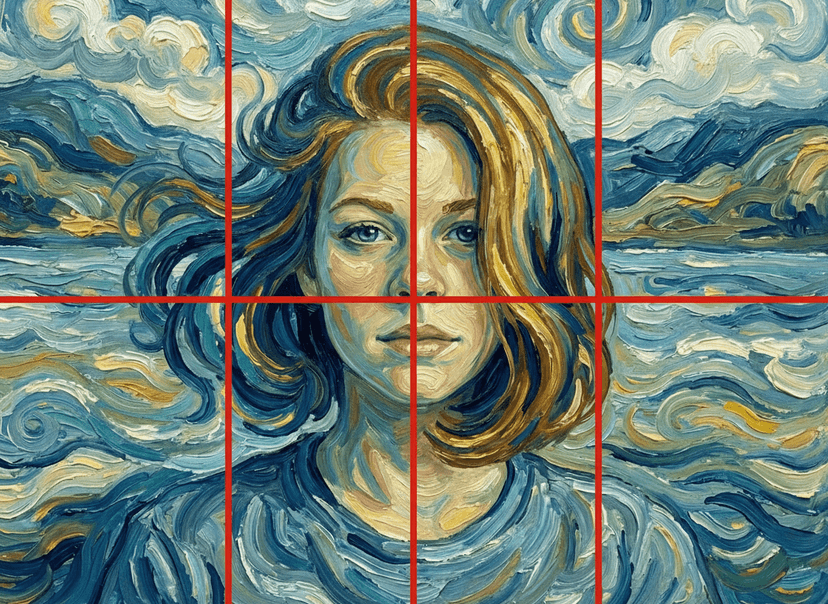
2. Use the rule of thirds for dynamic framing
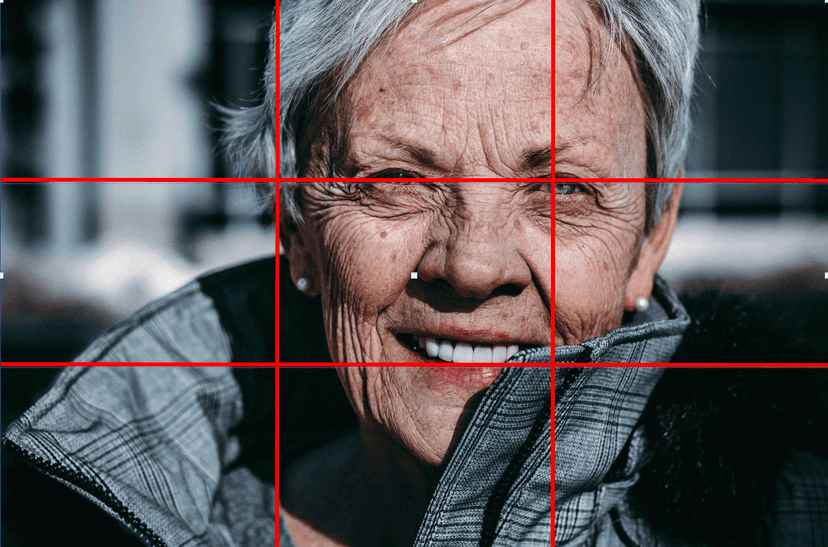
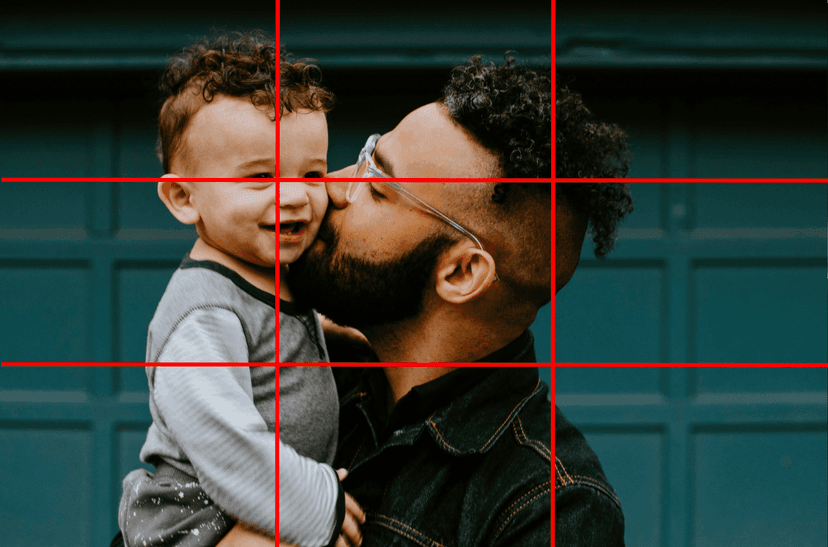
Enable the 3×3 grid in your phone's camera settings. Position your main subject where the lines intersect — for portraits, align the eyes with an upper intersection point. This simple adjustment transforms ordinary snapshots into balanced, visually engaging images.
Off-center placement creates natural tension and depth, giving your print a polished, gallery-ready feel rather than a casual snapshot look.
3. When to center your subject
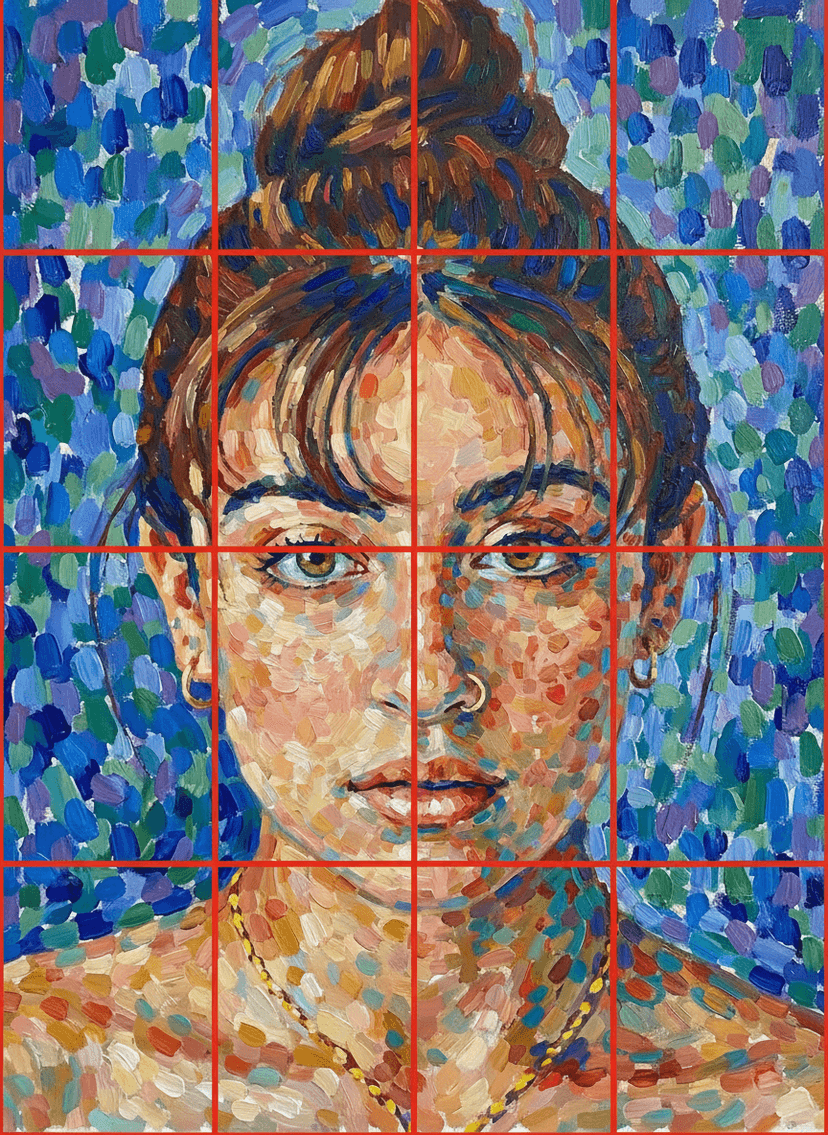
Centered compositions can be just as powerful — but only in the right context. They work best for symmetrical scenes, formal portraits, or when you want a bold, iconic statement.
Center framing works well when:
- The background is minimal and uncluttered
- You're shooting a symmetrical subject (architecture, reflections)
- You want a strong, direct, "hero" effect
- The style calls for it (e.g., pop art or pointillism prints)
4. Harness natural light for the best results
Daylight is your best friend for canvas-worthy photos. Soft, even illumination brings out true colors and flattering skin tones without harsh shadows.
- Face a large window for soft, diffused light
- Shoot during the day — skip the lamps
- Avoid standing with your back to the light source (silhouette trap)
- Stay away from yellow incandescent bulbs — they distort colors
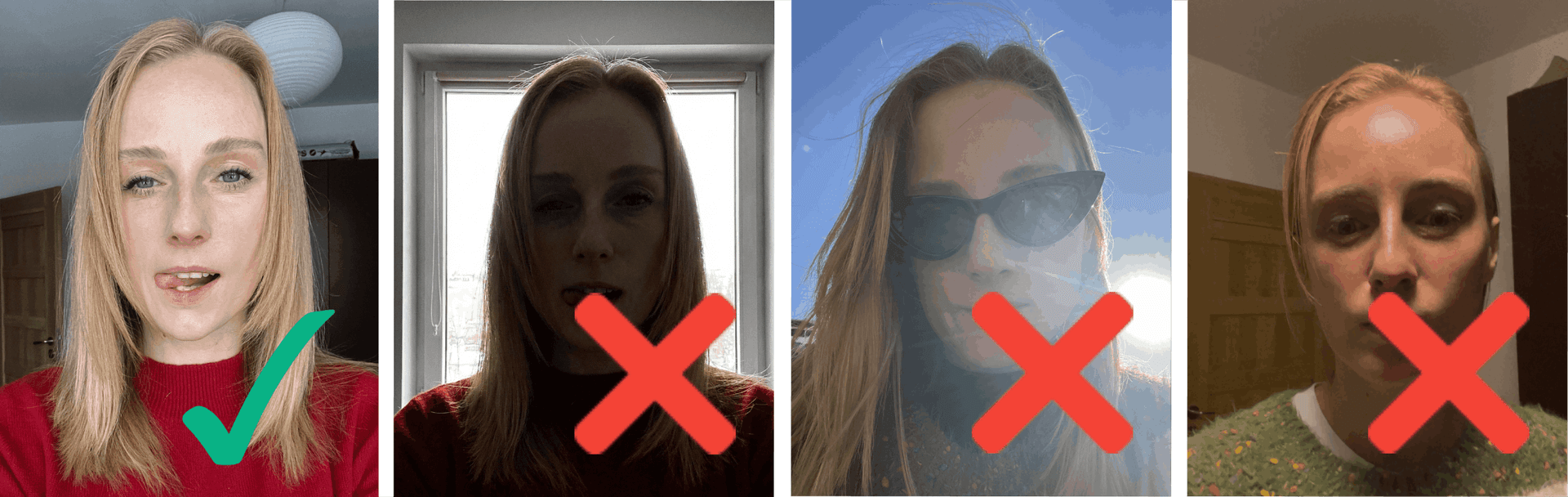 Natural window light vs harsh backlighting – the difference is clear
5. Your smartphone is all you need
Forget the myth that you need pro gear. Modern smartphones capture more than enough detail for stunning large-format prints — as long as the basics are right.
Checklist for a print-ready photo:
- Sharp focus – no motion blur
- Steady hands or a tripod
- True-to-life colors (avoid heavy filters)
- Clean composition with a clear subject
Quick Guide
Pick a photo with one clear focal point and minimal clutter. Use the 3×3 grid for dynamic compositions, or center your subject only in clean, simple scenes. Shoot in natural daylight — face a window and avoid harsh shadows or yellow indoor lighting. Keep your phone steady for a sharp, blur-free image. That's all it takes for a professional-looking canvas print.